
Mystery Water Chemical Identified After 40 Years—Is It Safe to Drink?
By Jacob Posner ‘26, Staff Writer
A newly identified chemical, chloronitramide anion (Cl–N–NO2−), has been found in tap water across the United States, raising questions about the chemical’s safety. Chloronitramide anion forms when water is treated with chloramine, a disinfectant made by mixing chlorine and ammonia, which is commonly used to kill bacteria and viruses in municipal water systems.
Although researchers first noticed this mysterious byproduct of chloramine-treated water 40 years ago, recent advancements in technology have allowed scientists to pinpoint its exact structure.
Additionally, the compound was detected in 40 drinking water samples from 10 U.S. systems, with concentrations reaching up to 100 micrograms per liter, exceeding typical regulatory limits for similar substances. Though the health risks of chloronitramide anion remain unknown, experts note its resemblance to other potentially toxic chemicals. Certain studies have linked other disinfected water byproducts to increased cancer rates; however,it is unclear if this specific compound also contributes to heightened health risks. Further research is needed to assess its toxicity and determine whether regulations are necessary.
While scientists emphasize the need for caution, they also highlight that the mere presence of a chemical does not guarantee harm. The priority now is to investigate whether chloronitramide anion poses any danger at the levels currently found in drinking water.
Sources:
1. https://www.cnn.com/2024/11/21/health/chloronitramide-anion-drinking-water/index.html
2. https://www.cbsnews.com/news/chloronitramide-anion-chemical-drinking-water-toxicity/
3. https://waterpros.net/newly-identified-tap-water-anion-and-its-potential-health-risks/
4. https://www.newsweek.com/us-drinking-water-mystery-chemical-risk-hundreds-millions-1988375
6. https://www.science.org/doi/10.1126/science.adk6749

Seasonal Depression– What do we Know, and What can You do?
By Pierce Malter ‘26, Staff Writer
Seasonal Affective Disorder (SAD) has risen in prevalence in recent years, capturing a considerable degree of public attention. The disorder, also referred to as “seasonal depression,” impacts millions of Americans, especially those concentrated in the country’s northernmost states. However, despite its commonly being used as a pop culture term, SAD is, in many regards, clinical depression’s equal–and should be treated as such.
SAD was first researched and given a name in 1984 by Professor Norman Rosenthal. After moving to the US from temperate South Africa, Rosenthal experienced hallmark symptoms of SAD — “draining away of energy” and “difficulty getting all [his] tasks accomplished —” in the winter, only to find his energy returning in the spring. Additionally, Rosenthal recalled a general attribution of seasonal mood shift to the colloquially named “Christmas Crunch,” but “Winter depression was never taught in any way in [his] studies.”
The disorder’s symptoms–including increased appetite, reduced enthusiasm, and irritability — mirror those of traditional depression, making them easy to overlook. For this reason and others, SAD is presumed to be directly caused by the same thing as clinical depression: an imbalance in neurochemicals.
However, SAD differs from major depressive disorder (MDD) in that its imbalances are believed to be caused by a lack of sunlight (as opposed to genetic predisposition and traumatic life events, frequently offered hypotheses for MDD’s origins).
SAD’s treatment lies in its cause — exposure to sunlight is commonly touted as the cure. But during the winter, the sun is barely up when we head to school, and already beginning to set when we leave. Beyond asking your teachers to open a window, light therapy could be the answer if you feel afflicted by SAD. Light therapy consists of exposure to a light box in an attempt to mimic the sun’s rays. Light boxes can be expensive, but anyone can build one themself.
A light box is simply a source of light, preferably in the range of 10,000 lux, a UV blocker, a box, and a diffuser panel. 10,000 lux, the unit measurement of light divided by area (lumens/m2 ), can be generated by diffusing between 10 and 20 light bulbs, or a strip of LED lights, through the panel.
It may be tempting to simply accept the damper on moods that SAD brings. But like Professor Rosenthal did, you could also take the few small steps required to save your sunny attitude.
The 2024 Chemistry Nobel Prize Award - How AI is Revolutionizing Medicine
By Ella Schlessinger ‘28 Staff Writer
For over a century, the Nobel Prize has celebrated scientific breakthroughs that shape our world, from Marie Curie’s discovery of radioactivity to the discovery of the DNA double helix structure. A few gifted researchers join this most coveted prize circle each year to enter a new chapter of the world’s most brilliant minds. In 2024, the Nobel Prize went to a revolutionary invention that will forever change biomedical sciences and drug discovery.
The 2024 Chemistry Nobel Prize was divided, half was awarded to Dr. David Baker “for computational protein design,” and the other half was split between Dr. Demis Hassabis and Dr. John Jumper “for protein structure prediction.”
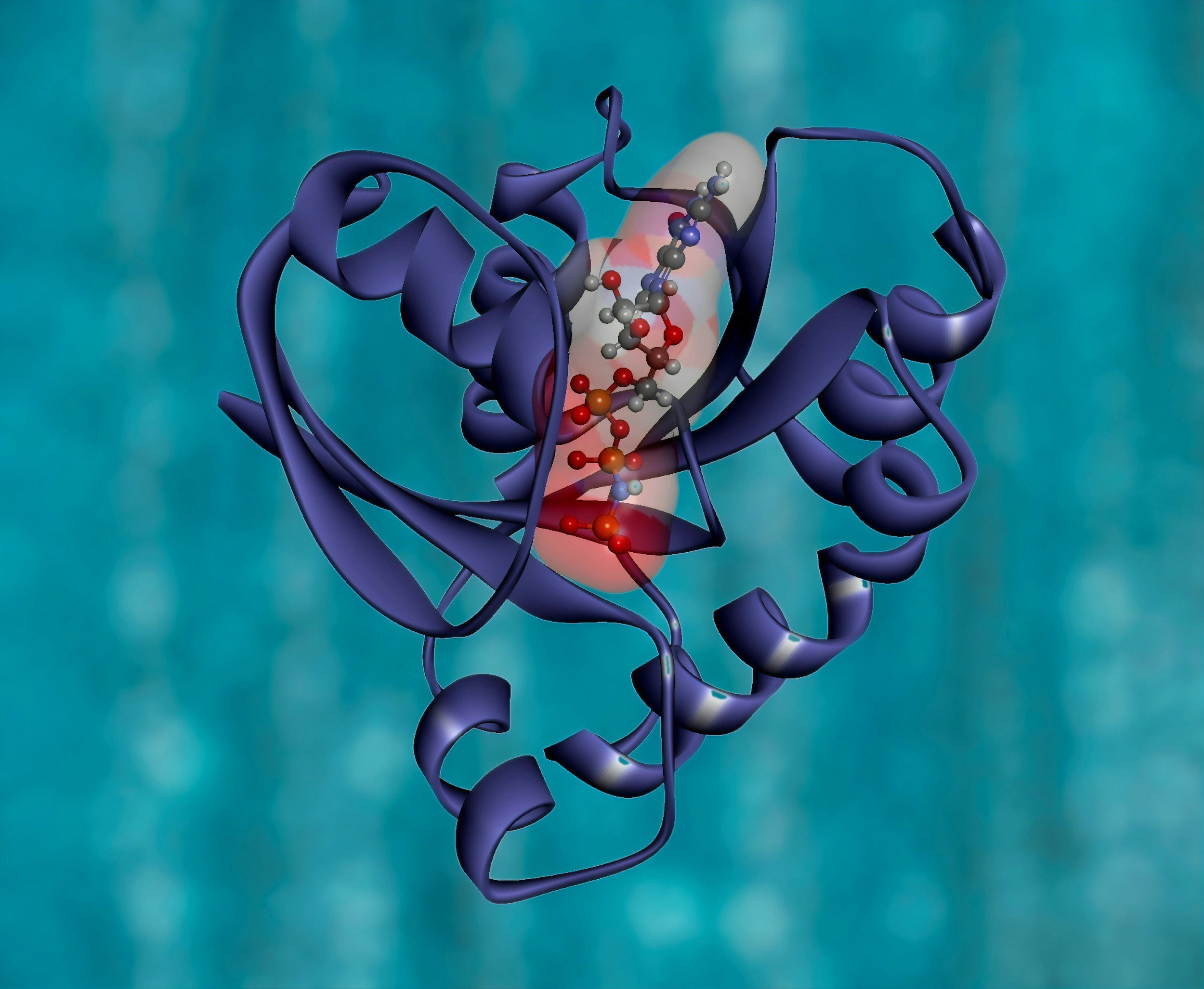
Baker was awarded the Nobel Prize for his work in computational protein design, a field that allows scientists to create entirely new proteins with specific functions. This process is extremely complex—each step must be done perfectly to build a successful and functioning protein. Their function is dictated by their shape, which is defined by the sequence of amino acids that fold into complicated 3D structures. Designing new proteins from scratch is very difficult because scientists must carefully arrange amino acids to fold correctly and perform specific tasks, such as breaking down toxins.
To make this process more efficient, researchers use computational tools to build new protein structures. Some past challenges have included predicting more complex protein structures and protein folding pathways. If the shape of a protein is even slightly off, the protein will not be functional and could potentially be harmful.
Baker has contributed to this field by creating a protein modeling and design software called Rosetta, which uses AI. Similar to other AI tools, such as DALL-E which generates photos based on a prompt, scientists use AI-powered programs to design proteins with specific structures and purposes. This breakthrough will allow scientists to rapidly produce proteins, as AI can generate millions of proteins within a few days. Using this software, scientists can model new proteins with desired functionality and model protein folding using Rosetta.
Eventually, Baker and his team attempted to use Rosetta in the opposite way as intended—rather than inputting the amino acid sequence and getting the shape of the desired protein (i.e. modeling) they put in the shape that they wanted for their proteins to learn about the amino acid sequence (design). Protein functions are based on their shape, so this new methodology allowed scientists to design proteins according to their desired shape. This helped create the first protein designed and produced from scratch, beginning at the amino acid sequence.
While Baker focused on designing new proteins, Hassabis and Jumper tackled a related challenge: accurately predicting how natural proteins fold. Hassabic and Jumper won the Nobel Prize for protein structure prediction. They helped predict how the proteins fold based on their amino acid sequence. The powerful method, called AlphaFold, uses Google DeepMind AI platform to predict non-covalent inter-residue interactions, including hydrophobic effects, hydrogen bonds, van der Waals interactions, and ionic bonds in the amino acid sequence. Using computers to predict a protein’s structure solely from its amino acid sequence is a very efficient process. This is possible because a protein’s shape is already determined by its sequence, following a principle known as Anfinsen’s dogma. This idea states that if a protein is unfolded and then placed in the optimal conditions, like in water, it will naturally fold back into its original structure.
The two contributed to this field by developing AlphaFold, which calculates the structure of proteins within minutes. Hassabic and Jumper were able to calculate the structures of almost all of the 200 million known proteins. The website claims to redirect valuable time and resources to advance “research that could help solve society’s biggest medical and environmental challenges.”
Protein structure prediction is crucial to drug discovery as most cases of human cancer are linked to proteins being misfolded. When proteins do not fold correctly, they can lose their function or become toxic, leading to cell damage and disease. The AlphaFold software helps scientists understand these protein structures in unprecedented detail, allowing them to design drugs that specifically target malfunctioning proteins. By providing accurate 3D models of proteins, AlphaFold opens up limitless possibilities for developing treatments for cancer and other serious medical conditions.
Researchers have already leveraged AlphaFold to help study antibiotic resistance, a growing global health crisis. The model has also been applied to vaccine development, leading to faster and more effective treatments for diseases such as the COVID-19 virus. With this technology, scientists can now explore protein structures that were previously impossible to study, laying the foundation for revolutionary developments in medicine. There is no knowing how many lives this new technology will help and save, changing the face of medicine forever.
The Science Behind Brain Differences in Males and Females
By Charlie Shiff ‘26, Staff Writer
For years, people have wondered whether the differences in how men and women think are rooted in biology or shaped by society. Recent research, like the study conducted by Nirao Shah, MD, PhD, suggests that while culture does play a role, there are clear neurological differences in male and female brains that influence behavior, cognition, and medical treatment.
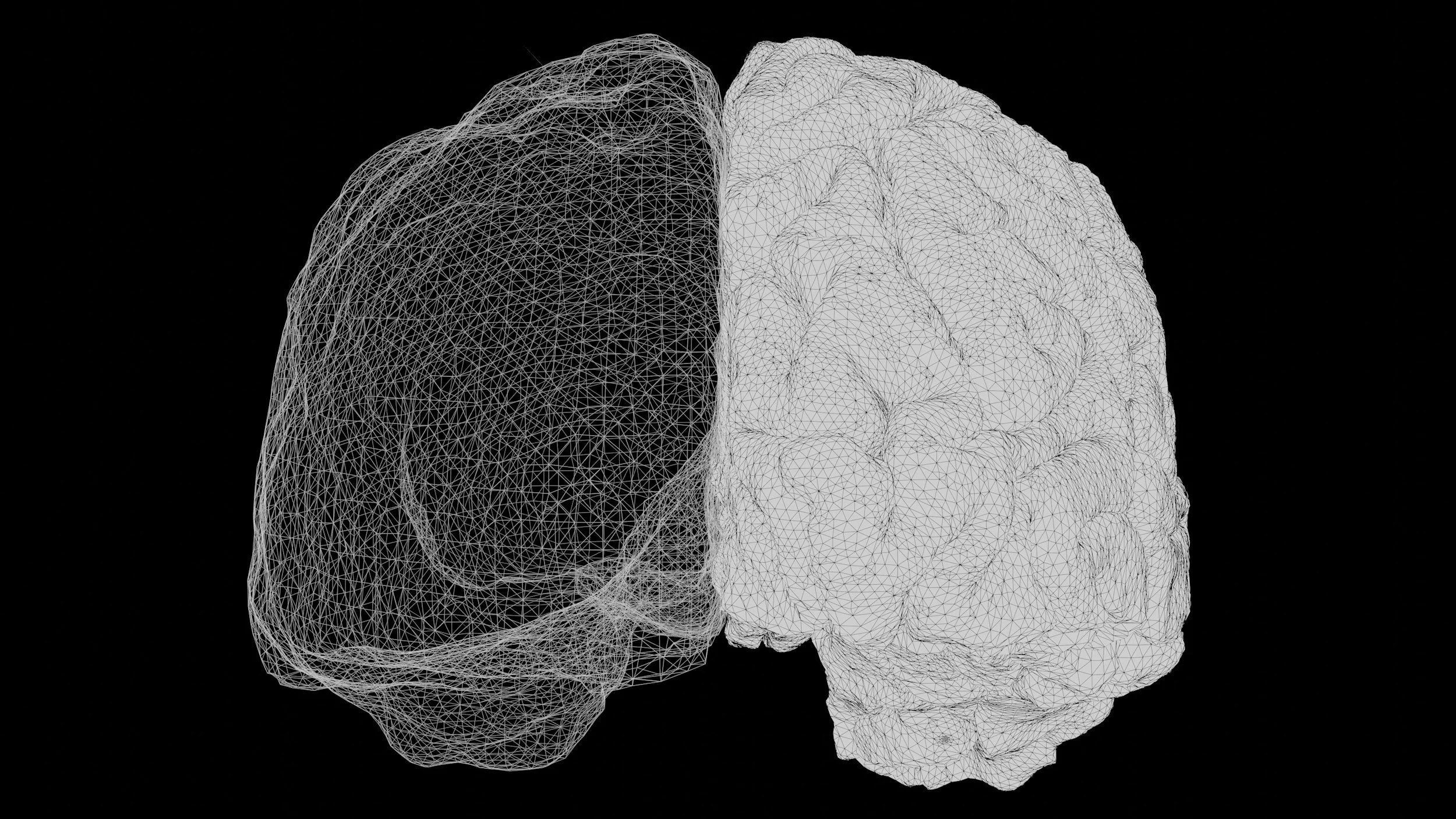
According to Dr. Shah's research, male brains are, on average, 11% larger than female brains, but this does not equate to greater intelligence in any way. Instead, when adjusted for size, women have a proportionally larger hippocampus, and men have a proportionally larger amygdala. The hippocampus is a region of the brain that is responsible for learning and memory while the amygdala primarily deals with emotional processing and responses. Shah notes that these differences may explain why women perform better on memory tasks, while men perform better at spatial awareness and reasoning tasks.
One of the most striking differences between male and female brains lies in their connectivity patterns, which influence how information is processed. Female brains exhibit stronger connections between the left and right hemispheres, particularly in the corpus callosum, the bundle of nerve fibers that facilitate communication between the two sides of the brain. This cross-hemispheric connection may make them better at muti-tasking and language processing. In contrast, male brains show more connections within each hemisphere, especially in the cerebellum, a brain region that primarily deals with various motor functions. This pattern may enhance spatial reasoning and manipulation of objects in a three-dimensional space.
The differences in brain structure may explain why some mental disorders are more prevalent in one sex than the other. According to a study done by Stanford Medicine, males are diagnosed with Autism Spectrum Disorder (ASD) at a rate approximately four times higher than females. Similarly, studies suggest that the male to female ratio of those diagnosed with Attention Deficit Hyperactivity Disorder (ADHD) is at 3:1. On the other hand, females are more likely to experience anxiety and depression. These disparities may be influenced by brain connectivity differences and hormone exposure during development. For instance, male brains’ more localized neural wiring could contribute to the repetitive behaviors and focused interests often observed in autism, while female brains’ stronger cross-hemispheric connections may provide greater emotional sensitivity, leading to an increased susceptibility to mood disorders.
The differences between sexes’ brains reveal fascinating insights into how we process information, experience emotions, and face mental health challenges. It is important to note that these differences do not imply that one sex is smarter or better than the other. Instead, they highlight our different cognitive strengths and vulnerabilities. From differences in memory and multitasking to varying susceptibilities to ASD and depression, understanding these brain patterns is crucial to developing more personalized approaches in healthcare, education, and mental health. Embracing these nuances can allow us to make a more inclusive and effective world, where individual needs are met with empathy and precision.

Bird Flu Jumps to Humans
By Lev Dubler-Furman ‘26, Editor
In recent weeks, bird flu cases have popped up around the country. Bird flu, or avian influenza, is a form of flu that has a reservoir in wild birds. Recently, a particularly deadly strain has wiped out poultry farms across the United States and has spread to cows, and in a few cases, humans.
“I am worried that it will be the next big pandemic,” said junior Micah Bergman-Dardick. Is that a real possibility? The answer is more complicated than a simple yes or no.
“Bird flu is a large variety of different influenza viruses that all have a reservoir in wild birds,” said Professor Scott Michael, who teaches virology at Florida Gulf Coast University.
This particular strain is different because it seems to have “mutations that allow it to get into mammalian cells.”
However, just because this strain, H5N1, can survive in mammals does not mean that it can jump directly to humans and become a serious problem.
“The majority of human cases have been people who are workers on poultry farms,” Professor Michael said. “There have been a couple cases where that’s not true but most of the cases have been people who are really exposed to birds a lot.”
But these individual cases of poultry or dairy workers contracting avian influenza are usually a single transmission event. Michael said that people think that “every once in a while you get mutants of these viruses, variants that then can infect people.” But that’s not true, he said. “If those [mutants] don’t transmit from person to person very well, then you don’t get an outbreak.”
In order for avian influenza to spread rapidly, “you’ve got to have a ‘perfect storm’ sort of scenario.” The virus would need to make numerous specific mutations.
While an avian influenza outbreak is unlikely, its consequences would be devastating.
“The largest number of people that ever died in all of history died in the years 1918 and 1919 of an influenza outbreak. The estimates are that between 20 and 40 million people died in just two flu seasons,” Michael said. “The potential for a big influenza outbreak is on the scale of the worst human catastrophes that have ever occurred in the history of humanity.”
As to how to combat a potential outbreak, there are two potential methods. The first is through drugs. However, “we’re really not prepared with a drug therapy to treat a large-scale influenza outbreak,” Michael said. There are a few kinds of drugs that work against the flu, but the virus can quickly mutate a resistance to them within a month or two. “What we need to develop,” Michael said, is a treatment similar to the one for HIV. “A cocktail of three or four or five different drugs so that the virus can then no longer become resistant to all of them at once.” While many researchers are working on developing a drug cocktail, Professor Michael said that their vital research has likely been frozen by the Trump Administration’s decision to cut research grants.